
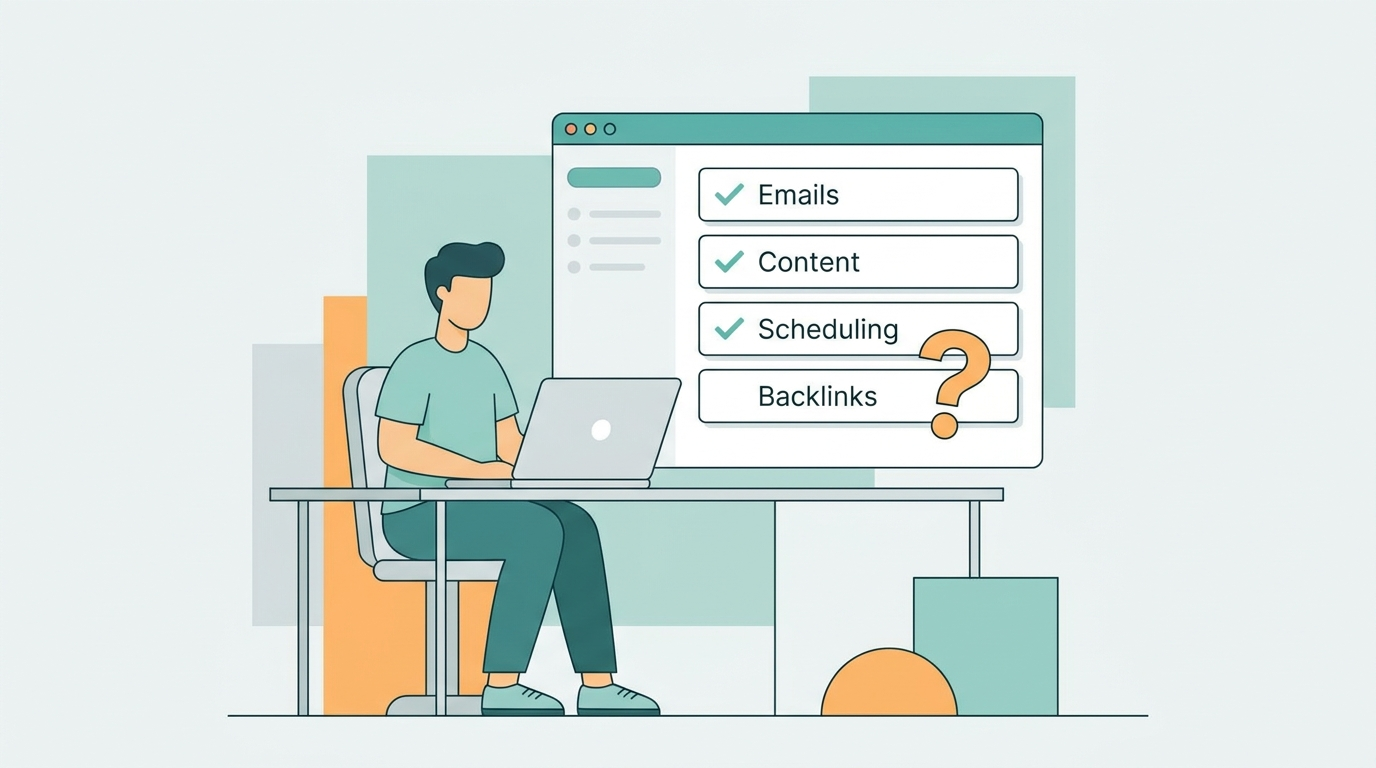
You automated the follow-up emails. You automated the social posts. You even automated the first draft of every blog article you publish. And your traffic still hasn’t moved, because backlinks for solo founders are the one piece of the growth stack almost nobody actually automates — they just stop doing it, or start paying someone else to fake it.
That gap isn’t a personal failure. It’s a structural one. The four categories of AI automation that small teams actually adopt — communication, operations, content, and decision-support — cover everything except the part that decides whether anyone besides you ever sees the content once it’s published.
The Bottleneck That Shows Up After Content Is Automated
The pattern is consistent enough that it’s become its own genre of startup writing. VentureBeat ran a piece in mid-2026 arguing that design used to be the expensive bottleneck for solo founders, and AI tooling closed it. Distribution writers have made the same argument about a different stage: building a product got easy, and getting anyone to notice it didn’t.
Link building sits right in the middle of that second bottleneck, and it resists automation for a specific reason: a backlink is not a task, it’s a judgment call made by a stranger who runs a website. You can automate drafting a pitch. You cannot automate the moment a real editor decides your page is worth citing — and if you skip that moment, you get a link Google barely values, or worse, one it eventually devalues.
Why “Just Buy Some Backlinks” Doesn’t Actually Solve It
The obvious shortcut is to pay for links the same way you might pay for a scheduling tool. It’s tempting, and it’s genuinely common — an Authority Hacker survey cited by AI-search analytics firm Analyze AI found that 74.3% of link builders admit to buying backlinks despite the practice sitting squarely against Google’s spam policies.
The problem isn’t that it’s rare. It’s that Google’s detection has gotten specific about it. Google’s SpamBrain system doesn’t evaluate a single purchased link in isolation — it looks for the pattern across a site’s entire backlink graph: who links to you, how those sites behave over time, and whether the shape of your link profile looks earned or engineered. A handful of paid links rarely triggers a manual penalty. What it does trigger, more quietly, is devaluation — the link exists, Google just stops counting it.
Relevance changes that math directly. One 2026 analysis of more than 4,200 editorial link placements for B2B SaaS clients found that links placed within topically-matched content on high-authority domains produced 2.8x greater ranking improvement than links on comparably authoritative but topically unrelated domains. Authority alone was never the whole story — the surrounding context was doing real work.
And even setting the risk aside, the outsourced version is expensive at exactly the scale a solo founder operates at. A 2025 roundup of startup-friendly link building agencies put per-link pricing anywhere from $35 for a curated placement up to $549 for an editorial guest post, with full-service monthly retainers starting around $2,500 and running past $10,000 for larger placement volumes — and most of those require a multi-month commitment before results show up at all.
Backlinks for Solo Founders: What Actually Works, and Where Each Option Breaks Down
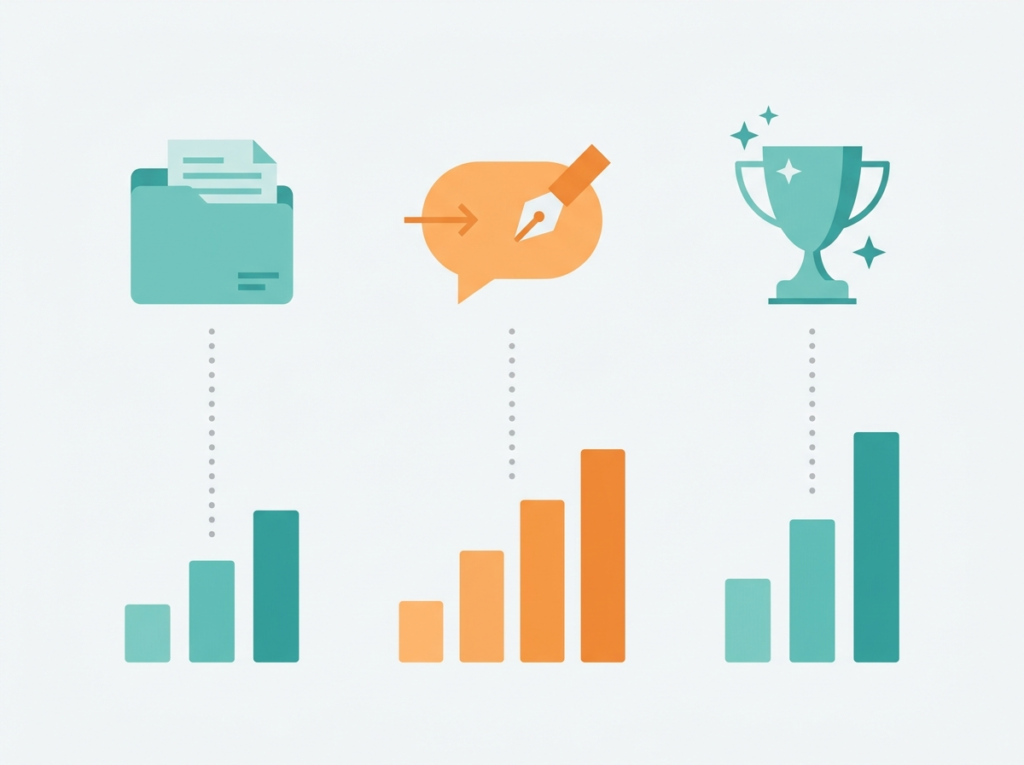
A backlink, in plain terms, is just a link from someone else’s page to yours — but the ones search engines actually count as a vote of trust are the ones a real editor chose to include, not the ones bought from a list. Strip away the agency pitch and the DIY playbooks for backlinks for solo founders mostly collapse into three real strategies, each with a real limitation once you’re doing it alone.
- Directory and listing submissions. Low effort per link, genuinely useful early on, but the ceiling is low — once you’ve submitted to the relevant SaaS and product directories in your category, this well runs dry within a month.
- Manual outreach and guest posting. This is where most of the real value lives, and also where solo founders quit. Researching the right sites, finding the right contact, writing a pitch that doesn’t read as templated, and following up like a person costs real hours per link — hours a one-person team is already spending on the product itself.
- Building a genuinely link-worthy asset. A free tool, an original dataset, a resource good enough that other sites cite it unprompted. This is the highest-leverage option and also the slowest one — it requires an audience willing to notice the asset exists in the first place.
What all three have in common is the step that eats the most time and the one AI automation genuinely can help with: figuring out, before you write a single pitch, whether a given site has any real reason to care about yours. Do that badly — spray a generic pitch at three hundred vaguely-relevant blogs — and you get the same low reply rate and thin results Reddit’s r/SEO threads on solo founders are full of people complaining about.
The Piece Nobody’s Actually Automated: The Relationship Check Itself
AI link-building tools have gotten genuinely good at the mechanical half of outreach — finding candidate sites, drafting a personalized-sounding pitch, tracking follow-ups. What they consistently don’t automate is the judgment call that comes before any of that: does this specific site have a real, honest reason to link to this specific page, independent of the fact that you’re asking?
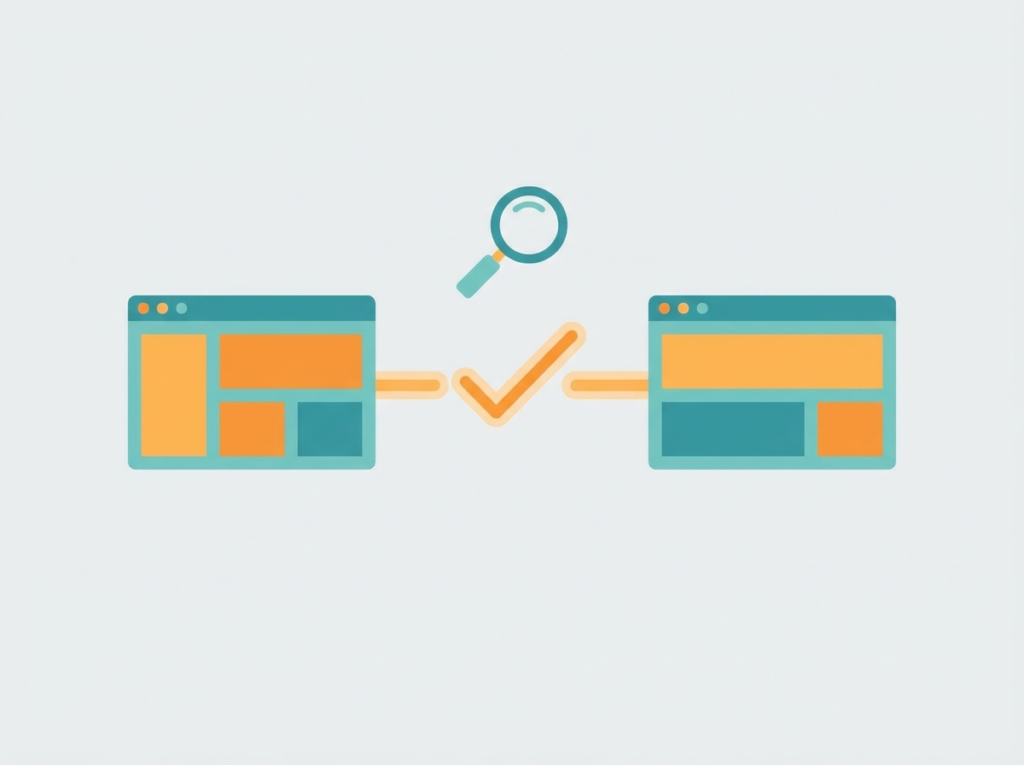
That’s a different category of automation than “write me an email.” It means checking a candidate publisher’s actual recent content — not its self-described niche — against your own site, before a single article gets written, and rejecting the pairing outright when no real topical connection exists. HYPERLINKS SEO runs that specific check as its first step: it evaluates whether a genuine relationship exists between two sites, and only writes an original, research-backed article and publishes it directly to the publisher’s WordPress site once that relationship clears — then verifies the live backlink afterward rather than assuming the placement stuck. It’s a narrower and more mechanical piece of the process than a full outreach campaign, but it’s specifically the piece that turns “AI helped me email 300 blogs” into “this link exists because an editorial case for it was actually true.”
None of this replaces the judgment in choosing what to build in the first place, or the honest work of having something worth citing. It just means the relevance-check step — the one solo founders skip because it’s tedious, and the one that determines whether a link is worth anything at all — doesn’t have to eat an evening every time you want to test a new site.
A Realistic 30-Day Plan for Solo Founders
The same logic that works for automating any other bottleneck applies here: start narrow, finish one thing completely, measure it, then decide whether to expand.
- Week 1 — Pick five real target sites. Not three hundred. Five sites where a real reader of that site would plausibly want to click through to yours. Read their actual recent posts before adding them to the list.
- Week 2 — Submit to the directories that fit, in full. Get the low-effort win banked before moving to anything that requires writing.
- Week 3 — Send one real pitch or run one relevance-checked placement, and read every word before it goes out under your name, whether you wrote it or a tool drafted it.
- Week 4 — Check what actually happened. Did the link publish? Is it still there? Does it point where it’s supposed to? This is the step manual link builders skip most often, and it’s exactly why so many “earned” links quietly disappear within months.
Key Takeaways
- Content automation and link building are two different problems — solving the first doesn’t touch the second.
- Buying backlinks is common (74.3% of link builders admit to it) but risky in a way that compounds across your whole link profile, not just the purchased link.
- Topical relevance measurably outperforms raw authority — 2.8x greater ranking improvement in one large 2026 study of matched-content placements.
- Agency link building for solo founders realistically starts around $35–$166 per link or $2,500+/month, with results taking months to show.
- The step most worth automating isn’t the pitch — it’s the relevance check that decides whether the pitch should exist at all.
Frequently Asked Questions
Do backlinks for solo founders need to come from an agency?
No. Directory submissions, direct outreach, and link-worthy assets are all viable without one — the tradeoff is time rather than money. Agencies exist to buy that time back, at the pricing and timelines described above.
Is buying backlinks actually illegal?
No — it’s not illegal, but it violates Google’s link spam guidelines and can result in algorithmic devaluation or, less commonly, a manual penalty.
How long does organic link building take to show results?
Industry estimates generally put meaningful ranking movement at six to ten weeks after a link goes live, with the fuller effect building over two to three months — which is exactly why starting with a narrow, consistent process beats a one-time push.
What’s the single highest-leverage automation for a solo founder’s link building?
Automating the relevance check itself — deciding which sites are worth pitching before you spend an hour drafting the pitch.
Sources
- tryanalyze.ai — “Should You Buy Backlinks in 2026? It Depends” (2026), citing Authority Hacker’s survey data
- bluetree.digital — “Google’s Backlink Policy in 2026” (2026), 4,200+ editorial placement analysis
- stellarseo.com — “Buying Backlinks in 2026: Pricing, Risks & Safe Strategy” (2026)
- mikekhorev.com — “The 9 Best Startup-Friendly Link Building Agencies for Rapid Growth” (Nov 2025)
- revnu.com — “AI Link Building: How to Earn Backlinks Without a Team” (June 2026)
Automating your content was the easy half. Backlinks for solo founders are still mostly a manual, judgment-heavy grind — the fix isn’t skipping the judgment, it’s not spending an evening re-deciding relevance every single time you want to test a new site.
Leave a Reply